
Let’s be honest — when most people think about bar crawling through Pittsburgh’s vibrant neighborhoods, “health benefits” probably isn’t the first phrase that comes to mind. But what if we told you that the way you choose to socialize and enjoy a night out could actually make a measurable difference in how your body processes alcohol, how your cardiovascular system responds, and even how your metabolism functions over the course of an evening? Sounds surprising, right? Stick with us, because the science here is genuinely fascinating.
This isn’t a green light to drink excessively. Rather, it’s an exploration of why strategic bar crawling — moving between venues on foot, pacing yourself, staying hydrated, and keeping your body active — may offer some real physiological advantages over sitting stationary at a single bar all night long. Pittsburgh, with its walkable neighborhoods like the South Side, Lawrenceville, and the Strip District, is actually one of the best cities in the country to explore this concept firsthand. And organizations like Barcrawlerz are making it easier than ever to do it right.
Understanding the Baseline: What Happens to Your Body During a Typical Night of Stationary Drinking
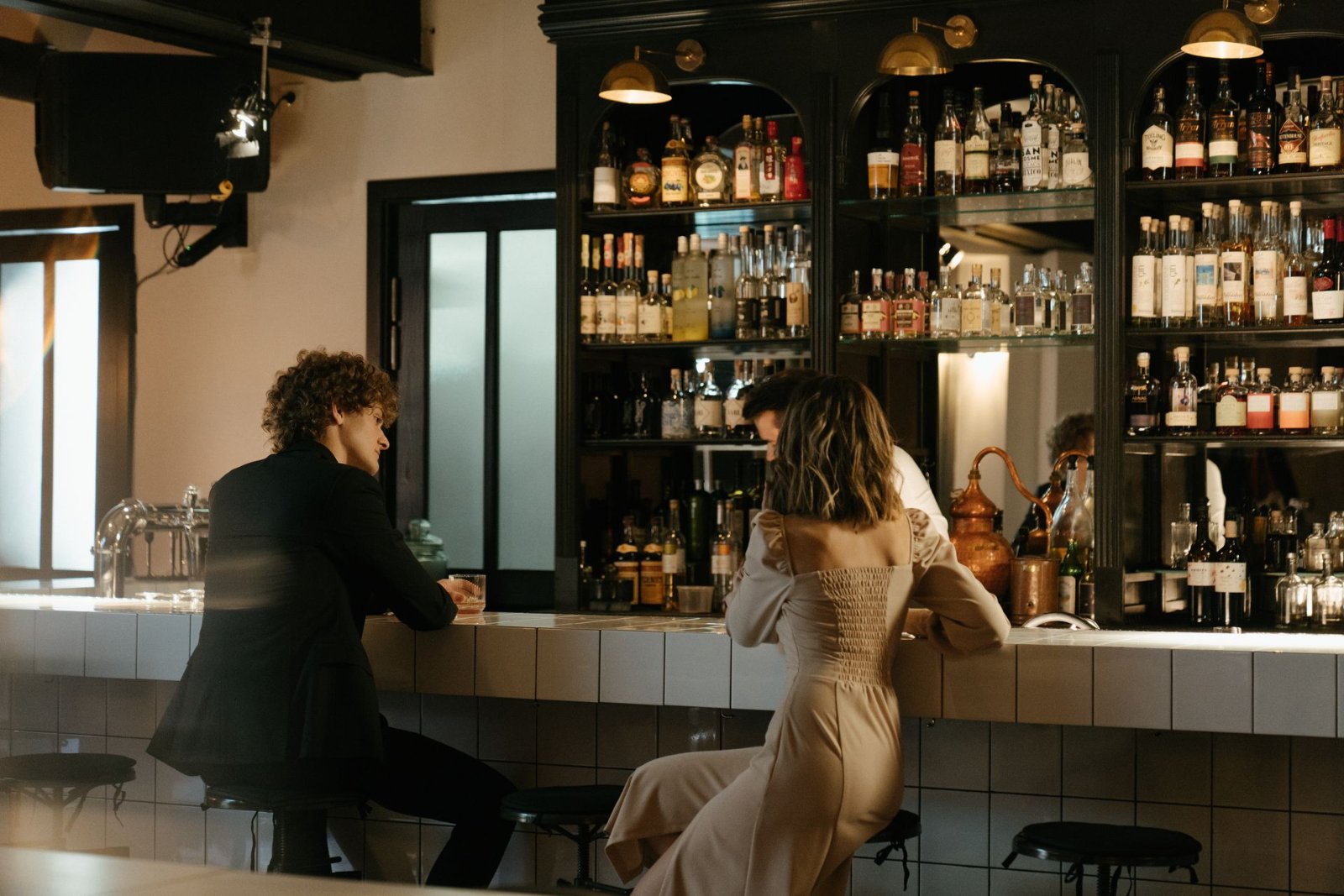
Before we can appreciate the potential advantages of bar crawling, it helps to understand what’s going on in your body when you plant yourself at a single bar stool and stay there for four or five hours. The picture isn’t exactly pretty from a metabolic standpoint.
Alcohol Metabolism and the Sedentary Trap
When you consume alcohol, your liver gets to work breaking it down using enzymes like alcohol dehydrogenase (ADH). The liver can process roughly one standard drink per hour under normal conditions. When you’re sedentary — sitting still, not moving much — your metabolic rate drops, your circulation slows, and your body’s overall efficiency in processing substances like alcohol decreases.
Sedentary behavior is well-documented in scientific literature as a metabolic suppressor. Studies published in journals like Diabetes Care and Medicine & Science in Sports & Exercise have shown that prolonged sitting reduces the activity of lipoprotein lipase, an enzyme critical for breaking down fats and maintaining healthy triglyceride levels. When you add alcohol consumption to this sedentary state, you’re essentially piling additional metabolic demands onto an already sluggish system.
“Prolonged sedentary time is independently associated with deleterious health outcomes regardless of physical activity levels.” — Annals of Internal Medicine
The result? Alcohol lingers longer in your bloodstream, blood sugar fluctuations are more pronounced, and the overall metabolic toll of a night of drinking is amplified. You might feel more intoxicated faster, experience more pronounced hangovers, and feel worse the next morning compared to someone who was on their feet and moving throughout the evening.
Cardiovascular Stagnation During Long Sedentary Sessions
Your cardiovascular system also takes a hit when you’re sedentary for extended periods. Blood tends to pool in the lower extremities, venous return to the heart decreases, and your resting heart rate can actually drop in ways that reduce circulatory efficiency. Alcohol, being a vasodilator, further complicates this picture by widening blood vessels and potentially causing a drop in blood pressure, which can lead to lightheadedness, dizziness, or that familiar “wall” you hit after a few hours at the same bar.
This isn’t to say that sitting down and having drinks is inherently dangerous for healthy adults. But the cumulative physiological picture of prolonged sedentary drinking is clearly less favorable than many people assume.
The Strategic Bar Crawl Difference: Movement as a Metabolic Catalyst
Now let’s flip the script. Imagine instead that you’re walking between five or six different bars spread across Pittsburgh’s South Side Flats — a stretch of East Carson Street that’s practically tailor-made for exactly this kind of adventure. Between each stop, you’re walking several blocks, climbing a few steps, breathing in the crisp Pittsburgh air, and giving your body a chance to actively process what you’ve consumed before adding more.
How Walking Between Venues Activates Your Metabolism
Even low-intensity physical activity like walking has a profound effect on metabolic rate. Research consistently shows that light to moderate walking increases the activity of skeletal muscle lipoprotein lipase, improves insulin sensitivity, and elevates your resting metabolic rate for a period following the activity. In practical terms, this means your body is better equipped to handle the metabolic demands of alcohol when you’re walking between bars than when you’re glued to a bar stool.
Walking also increases blood flow to your muscles and organs, including your liver. While the liver’s alcohol-processing capacity is largely fixed at around one drink per hour, improved circulation can support more efficient delivery of oxygen and nutrients to hepatic cells, potentially optimizing the enzymatic processes involved in alcohol metabolism. It’s a subtle advantage, but over the course of a four to six hour bar crawl, those subtle advantages accumulate.
The Role of Intermittent Movement in Blood Sugar Regulation
Alcohol consumption is notorious for causing hypoglycemia — low blood sugar — particularly when consumed without adequate food intake. This happens because alcohol inhibits gluconeogenesis, the liver’s process of producing glucose from non-carbohydrate sources. When you’re sedentary, your body’s demand for glucose is lower, but the risk of a sharp drop in blood sugar remains significant.
When you’re walking between venues, your muscles are actively consuming glucose, which might sound counterproductive at first. However, the increased insulin sensitivity that accompanies physical activity means that your body becomes more efficient at regulating blood sugar levels overall. The muscles act as a glucose buffer, absorbing excess sugar during periods of activity and helping to smooth out the blood sugar rollercoaster that often accompanies a night of drinking.
In Pittsburgh’s hilly terrain — and yes, even the South Side has its share of inclines — you’re also engaging larger muscle groups like your glutes and quadriceps, which are particularly effective at glucose uptake. A gentle climb up one of Pittsburgh’s famous hills between bar stops is doing more metabolic work than you might realize.
Cardiovascular Benefits of the Bar Crawl Approach
Beyond metabolism, the cardiovascular advantages of strategic bar crawling are worth examining in some detail. The heart is a muscle, and like all muscles, it responds positively to regular, moderate stimulation.
Improved Cardiac Output and Circulation During Active Social Outings
When you walk at a moderate pace, your heart rate typically rises to between 50 and 70 percent of its maximum capacity — well within the aerobic zone that promotes cardiovascular health. This elevated heart rate improves cardiac output, meaning your heart pumps blood more efficiently throughout your body. Better circulation means better delivery of oxygen to all your organs, including the brain, which can actually help you feel more alert and in control during a night out compared to the foggy, sluggish feeling that often accompanies stationary drinking.
There’s also the question of venous return — the efficiency with which blood travels back to the heart from the extremities. When you’re walking, the rhythmic contraction of your leg muscles acts as a secondary pump, pushing blood upward against gravity and preventing the pooling that occurs during prolonged sitting. This is why people who walk regularly tend to have fewer issues with varicose veins and lower extremity swelling, and it’s also why you might feel physically better at the end of a bar crawl than after a long night at a single venue.
The Interaction Between Alcohol’s Vasodilatory Effects and Physical Activity
Alcohol causes vasodilation — the widening of blood vessels — which is part of why you feel warm after a drink and why your face might flush. In a sedentary state, this vasodilation combined with reduced cardiac output can lead to inefficient circulation and that heavy, lethargic feeling many people experience after a few drinks. However, when you’re physically active, your body is already managing increased blood flow demands, and the vasodilatory effect of alcohol can actually complement the natural vasodilation that accompanies exercise.
This isn’t to say the two are equivalent or that drinking and exercising is a good idea in general. But in the context of light to moderate walking between bar stops, the physiological interaction is notably more favorable than the combination of alcohol and prolonged sitting.
“Light physical activity interrupts sedentary time and is associated with improved metabolic and cardiovascular biomarkers in adults.” — Journal of the American College of Cardiology
Pittsburgh’s Unique Geography Makes It an Ideal Bar Crawl City
Pittsburgh isn’t just a great city for bar crawling because of its incredible bar and restaurant scene — though that’s certainly a major factor. The city’s unique geography, with its distinct walkable neighborhoods, riverside paths, and interconnected streets, makes it genuinely one of the best cities in America for a metabolically strategic night out.
The South Side: Pittsburgh’s Premier Bar Crawl Corridor
East Carson Street on the South Side stretches for nearly two miles and is lined with dozens of bars, restaurants, and entertainment venues. A well-planned bar crawl along this strip involves meaningful walking distances between stops — typically three to six blocks — which translates to roughly 500 to 1,500 steps between each venue. Over the course of a full evening visiting five or six locations, you could easily accumulate 5,000 to 8,000 steps without ever feeling like you’re exercising.
That’s a significant amount of physical activity. The American Heart Association recommends at least 10,000 steps per day for cardiovascular health, and while a bar crawl shouldn’t be your primary source of daily movement, the fact that you can get halfway to that goal while enjoying Pittsburgh’s legendary nightlife is genuinely impressive from a health perspective.
Lawrenceville and the Strip District: Emerging Bar Crawl Neighborhoods
Beyond the South Side, Pittsburgh’s Lawrenceville neighborhood and the adjacent Strip District offer excellent bar crawl opportunities with a slightly different vibe. Butler Street in Lawrenceville is home to a growing collection of craft cocktail bars, brewpubs, and casual neighborhood spots that are perfectly spaced for a walking crawl. The Strip District, with its mix of late-night bars, restaurants, and entertainment venues, offers another excellent option for those who want to combine Pittsburgh’s food culture with their bar crawl experience.
Both neighborhoods are relatively flat compared to other parts of Pittsburgh, making them accessible for groups of all fitness levels. The combination of interesting venues, walkable distances, and vibrant street life creates exactly the kind of environment where strategic bar crawling becomes not just a health strategy but a genuinely enjoyable way to experience the city.
How Barcrawlerz Is Redefining the Pittsburgh Bar Crawl Experience
If you’re intrigued by the idea of exploring Pittsburgh’s nightlife in a more structured, health-conscious way, Barcrawlerz is the organization you need to know about. Based in Pittsburgh, Barcrawlerz specializes in organizing guided bar crawl events that take the guesswork out of route planning and venue selection, allowing participants to focus on having a great time while naturally incorporating all the movement-based benefits we’ve discussed.
What Makes Barcrawlerz Different from a Random Night Out
The key word in “strategic bar crawling” is strategic. Simply wandering from bar to bar without a plan doesn’t necessarily deliver the metabolic and cardiovascular advantages we’ve outlined. You need appropriate walking distances between venues, a reasonable pace that allows your body to process alcohol between stops, and a curated selection of venues that keeps the experience enjoyable without encouraging overconsumption.
Barcrawlerz events are designed with exactly these principles in mind. Their routes through Pittsburgh’s best neighborhoods are carefully planned to ensure participants are walking meaningful distances between stops, taking in the city’s architecture and atmosphere, and naturally pacing their consumption over the course of the evening. The social, group-based format also encourages conversation and engagement, which naturally slows drinking pace compared to sitting alone or with a small group at a single venue.
The Social and Psychological Dimensions of Group Bar Crawls
There’s another dimension to the health equation that we haven’t fully explored yet: the psychological and social benefits of group-based, activity-oriented social experiences. Research in social psychology consistently shows that social engagement, laughter, and shared experiences release endorphins and reduce cortisol levels — the body’s primary stress hormone. A well-organized bar crawl with a friendly group of people is essentially a stress-reduction experience wrapped in a fun social outing.
Lower cortisol levels mean better metabolic function, improved immune response, and reduced inflammation. When you combine the physical activity of walking between venues with the social engagement of a group crawl experience like those organized by Barcrawlerz, you’re stacking multiple health-positive factors on top of each other in a way that a stationary bar night simply can’t replicate.
Practical Tips for Maximizing the Health Benefits of Your Pittsburgh Bar Crawl
Understanding the theory is one thing, but putting it into practice is another. Here are some actionable strategies for making your next Pittsburgh bar crawl as metabolically and cardiovascularly advantageous as possible.
Hydration Strategy: The Non-Negotiable Foundation
The single most important thing you can do to support your body during a bar crawl is to stay adequately hydrated. Alcohol is a diuretic — it increases urine production and can lead to dehydration surprisingly quickly. Dehydration impairs virtually every metabolic and cardiovascular function we’ve discussed, from enzyme activity in the liver to cardiac output to blood sugar regulation.
A practical rule of thumb is to drink one full glass of water for every alcoholic beverage you consume. Many of Pittsburgh’s better bars are happy to provide complimentary water alongside your drinks — don’t be shy about asking. During the walking segments between venues, take advantage of the fresh air and movement to drink water from a bottle you carry with you. Proper hydration won’t eliminate the effects of alcohol, but it will significantly reduce the metabolic burden and help you feel better both during and after your crawl.
Pacing and Portion Control During the Crawl
The metabolic benefits of bar crawling are most pronounced when you’re allowing adequate time between drinks for your liver to process what you’ve consumed. A good general guideline is to limit yourself to one standard drink per venue stop, giving your body the walking time between stops as a processing window. This naturally aligns with the one-drink-per-hour liver processing rate, especially if you’re spending 15 to 20 minutes walking between venues and 30 to 45 minutes at each stop.
Pittsburgh has an excellent craft beer scene, and many of the city’s best bars offer lower-ABV options like session ales, light lagers, and wine spritzers that make it easier to enjoy multiple stops without exceeding your body’s processing capacity. Barcrawlerz events often highlight these options as part of their curated experience.
Nutrition Before and During Your Bar Crawl
Never start a bar crawl on an empty stomach. Eating a balanced meal rich in protein and complex carbohydrates before you begin will slow the absorption of alcohol into your bloodstream, reduce the risk of hypoglycemia, and provide your muscles with the fuel they need for several hours of walking. Pittsburgh has no shortage of excellent pre-crawl dining options — from the hearty sandwiches at Primanti Brothers to the diverse restaurant options along Penn Avenue in Garfield.
During the crawl itself, don’t hesitate to order food at venues that offer it. Many of Pittsburgh’s South Side and Lawrenceville bars have small food menus, and snacking throughout the evening helps maintain stable blood sugar and provides continuous metabolic support for alcohol processing.
Footwear and Physical Preparation for Maximum Comfort
This might seem like a minor point, but comfortable, supportive footwear can make or break a bar crawl experience — and it has real physiological implications. Uncomfortable shoes lead to altered gait patterns, reduced walking distance, and increased physical discomfort that can actually elevate cortisol levels and negate some of the stress-reduction benefits we discussed. Wear comfortable walking shoes or sneakers, even if they’re not your most stylish option. Your feet, knees, and lower back will thank you by the end of the night, and you’ll be far more likely to walk the full distances between venues rather than opting for rideshares.
The Long-Term Perspective: Bar Crawling as Part of a Balanced Social Lifestyle
We want to be clear about something important: we’re not suggesting that bar crawling is a health regimen or that it should replace actual exercise and healthy lifestyle habits. The advantages we’ve described are real, but they’re advantages within the context of responsible adult socializing — not a justification for excessive drinking or a replacement for cardiovascular exercise.
Responsible Consumption as the Foundation of Everything
All of the metabolic and cardiovascular benefits we’ve outlined are predicated on moderate, responsible alcohol consumption. The physiological advantages of walking between venues disappear quickly if you’re consuming five or six drinks per stop rather than one. Alcohol in excess is toxic to every organ system in the body, and no amount of walking can fully compensate for overconsumption.
Barcrawlerz events are designed with responsible consumption in mind, and participants are encouraged to know their limits, stay hydrated, and look out for one another. Pittsburgh’s nightlife community takes responsible drinking seriously, and the bar crawl format naturally supports a more measured approach to alcohol consumption compared to marathon sessions at a single venue.
Building Social Connections Through Active Nightlife Experiences
Beyond the immediate physiological benefits, there’s a compelling case to be made for the long-term health value of the social connections formed during shared experiences like bar crawls. Loneliness and social isolation are increasingly recognized as significant public health concerns, with research linking them to elevated risks of cardiovascular disease, depression, and cognitive decline. The communal, exploratory nature of a well-organized bar crawl creates the kind of shared memories and social bonds that contribute to long-term wellbeing.
Pittsburgh is a city with an incredibly strong sense of community identity. From the passionate sports culture surrounding the Steelers, Pirates, and Penguins to the neighborhood pride that defines areas like Squirrel Hill, Bloomfield, and Shadyside, Pittsburghers know how to come together. Bar crawls organized by groups like Barcrawlerz tap into this community spirit in a way that makes the social experience genuinely meaningful, not just a series of drinks at different locations.
What the Research Says: Summarizing the Science Behind Active Social Drinking
Let’s bring together the key scientific threads we’ve woven throughout this article into a coherent summary of what the research actually supports.
Key Findings Supporting the Bar Crawl Advantage
First, light to moderate physical activity — including walking — significantly improves metabolic function, including the enzymatic processes involved in alcohol metabolism. While the liver’s processing capacity is largely fixed, the overall metabolic environment created by physical activity is more conducive to efficient alcohol processing than the metabolic suppression associated with prolonged sitting.
Second, intermittent walking improves insulin sensitivity and blood sugar regulation, reducing the risk of hypoglycemia that commonly accompanies alcohol consumption. Pittsburgh’s varied terrain, from the relatively flat South Side to the gently rolling streets of Lawrenceville, provides natural variety in walking intensity that engages different muscle groups and maximizes this effect.
Third, the cardiovascular benefits of walking — improved cardiac output, better venous return, and elevated heart rate — create a more favorable physiological context for alcohol consumption than the cardiovascular stagnation associated with prolonged sitting. The interaction between alcohol’s vasodilatory effects and the natural vasodilation of physical activity is more harmonious than the combination of vasodilation and circulatory stagnation.
Fourth, the social and psychological benefits of group-based, active social experiences — including reduced cortisol, increased endorphin release, and the formation of meaningful social bonds — add a layer of health value to bar crawling that extends well beyond the immediate physiological effects of the evening.
Conclusion: Pittsburgh’s Bar Crawl Scene Is More Than Just a Good Time
The next time someone raises an eyebrow at your plans to join a Barcrawlerz event and walk your way through Pittsburgh’s best bars, you can share a little of what you’ve learned here. Strategic bar crawling, done responsibly and with appropriate attention to hydration, nutrition, and pacing, genuinely does offer metabolic and cardiovascular advantages over stationary drinking habits. The combination of physical activity, social engagement, and the natural pacing that comes from moving between venues creates a physiologically superior context for moderate alcohol consumption.
Pittsburgh is one of the best cities in the country to experience this firsthand. From the iconic stretch of East Carson Street on the South Side to the emerging bar scenes in Lawrenceville and the Strip District, the Steel City offers a bar crawl landscape that’s both geographically suited and culturally perfect for this kind of active social exploration. With organizations like Barcrawlerz leading the way with thoughtfully planned routes and community-focused events, there’s never been a better time to lace up your comfortable shoes and discover Pittsburgh’s nightlife on foot.
Just remember: drink responsibly, stay hydrated, eat before you go, and enjoy the walk. Your metabolism, your cardiovascular system, and your social life will all be better for it.
“The best night out is one where you feel good both during and the morning after. Strategic movement, responsible consumption, and great company are the ingredients that make that possible.” — The Barcrawlerz Philosophy
Ready to experience Pittsburgh’s bar scene in a whole new way? Check out Barcrawlerz for upcoming events, route information, and everything you need to plan your next strategic bar crawl through one of America’s most exciting and walkable nightlife cities. Your body — and your social calendar — will thank you.