
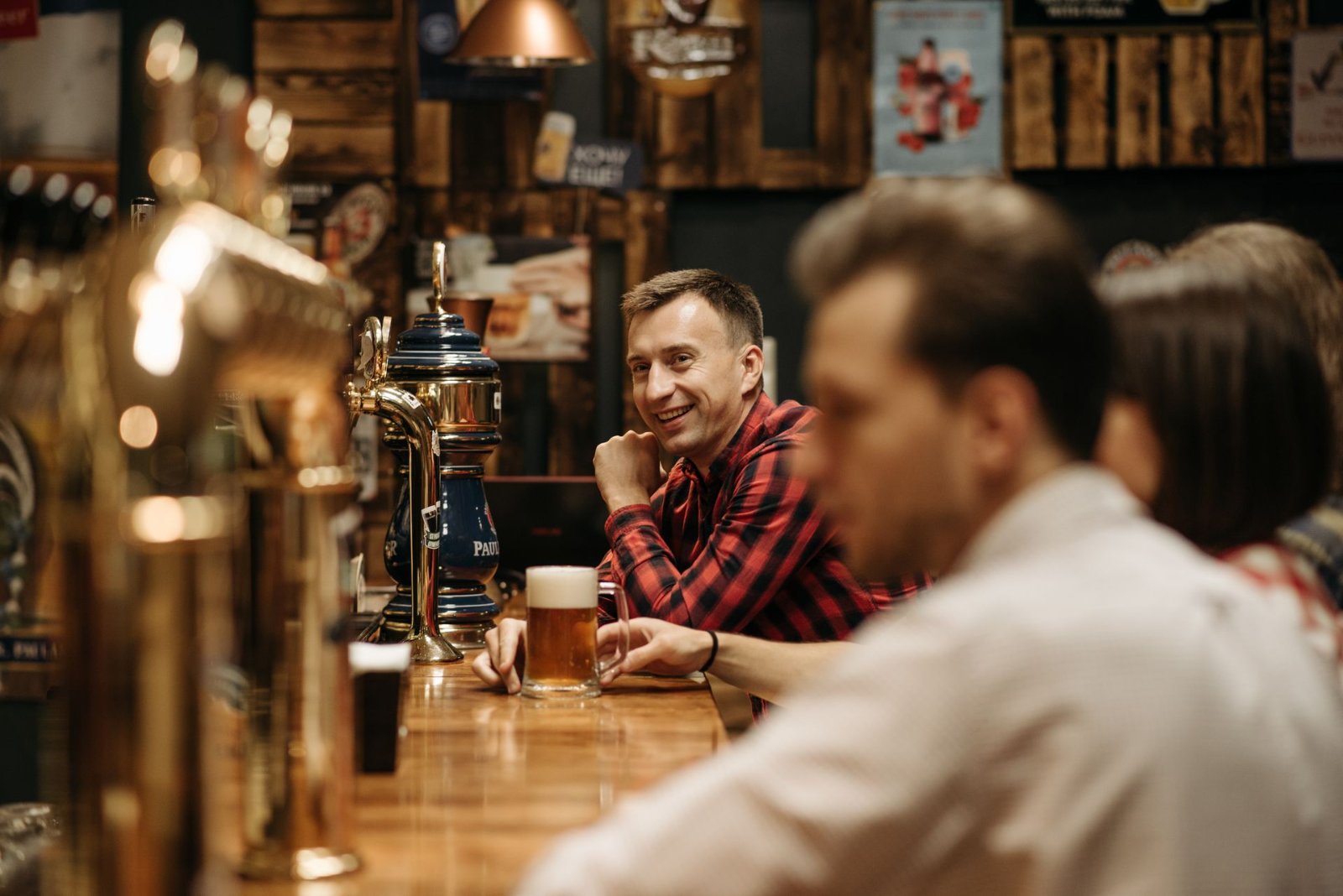
If you’ve ever wandered through Pittsburgh’s South Side on a Friday night, weaving from one neon-lit bar to the next with a group of friends — lanyards swinging, wristbands glowing — you already know the energy that a well-organized bar crawl can generate. What you might not realize is that behind all the fun and laughter, there’s a surprisingly powerful economic engine humming along. Bar crawls aren’t just good times. They’re legitimate drivers of small business revenue, neighborhood revitalization, and urban investment. And cities like Pittsburgh are starting to take serious notice.
In this article, we’re going to dig into the real economic impact of bar crawls on small businesses, explore why urban districts across Pittsburgh and beyond are actively investing in crawl-friendly infrastructure, and look at how organized crawl experiences — like those offered by Barcrawlerz — are changing the way we think about nightlife, community, and commerce.
Understanding the Bar Crawl Economy: More Than Just Drinks
Let’s start with the basics. A bar crawl, at its core, is an organized event where participants move from one bar or drinking establishment to another — usually in a defined geographic area — over the course of a single evening. Simple enough, right? But the economic ripple effects of this seemingly straightforward activity are anything but simple.
When dozens — or sometimes hundreds — of people descend on a neighborhood for a bar crawl, the spending doesn’t stop at the bar tab. Participants buy food. They grab rideshares. They stop at convenience stores. They purchase merchandise. They visit late-night eateries after the crawl winds down. In economic terms, this is called the multiplier effect, and it’s one of the primary reasons why urban planners and small business associations have started paying close attention to bar crawl events.
“Every dollar spent at a local bar during a crawl event doesn’t just stay in that bar — it circulates through the neighborhood economy, touching restaurants, transportation services, retail shops, and more.”
According to various studies on event-driven tourism and nighttime economies, organized bar crawl events can increase a participating venue’s nightly revenue by anywhere from 30% to over 200% compared to a standard Friday or Saturday night. For small, independently owned bars and restaurants — the kind that form the backbone of Pittsburgh’s vibrant neighborhood districts — that kind of revenue spike can be the difference between a profitable month and a struggling one.
Pittsburgh’s Unique Position in the Bar Crawl Landscape
Pittsburgh is, in many ways, a perfect city for bar crawl culture. Its distinct neighborhood identities — South Side Flats, Lawrenceville, Shadyside, the Strip District, Mount Washington, and more — each offer their own flavor of nightlife. The city’s geography, with its rivers, bridges, and hillside neighborhoods, creates natural “crawl corridors” that are both walkable and visually exciting.
Pittsburgh has long been a city that reinvents itself. Once the steel capital of the world, it has transformed into a hub of tech, healthcare, education, and culture. That same spirit of reinvention has carried over into its nightlife economy. The city’s bar and restaurant scene has exploded over the past decade, with Lawrenceville alone going from a quiet residential street to one of the most talked-about dining and drinking destinations in the Northeast.
South Side Flats: The Original Crawl Corridor
East Carson Street on the South Side is arguably the most famous bar crawl destination in Pittsburgh. With dozens of bars packed into a walkable stretch, it has naturally evolved into one of the city’s premier nightlife districts. Weekend foot traffic here regularly rivals that of much larger cities, and organized crawl events amplify that traffic significantly. Local bar owners on the South Side have reported that themed crawl nights — holiday crawls, costume crawls, charity crawls — consistently outperform regular weekend nights in terms of revenue.
Lawrenceville’s Rise as a Crawl-Friendly Destination
Lawrenceville has emerged as Pittsburgh’s trendiest neighborhood, and its bar and restaurant scene reflects that energy. Butler Street, in particular, has become a destination for younger professionals and visitors looking for a more curated nightlife experience. The neighborhood’s mix of craft cocktail bars, dive bars, brewpubs, and eclectic eateries makes it an ideal setting for organized crawl events. Business owners here have been vocal about the positive financial impact of crawl events, noting increased foot traffic not just for bars but for neighboring retail shops and food establishments.
How Bar Crawls Directly Boost Small Business Revenue
Let’s get specific about the numbers. When a bar crawl rolls through a neighborhood, what does that actually look like in terms of dollars and cents for small business owners?
Increased Per-Night Revenue
The most immediate and obvious benefit is the spike in single-night revenue. Crawl participants are, by design, visiting multiple venues in a single evening. Each stop typically involves purchasing at least one drink — often more — along with potential food orders, merchandise, and tips for bartenders and servers. For a small bar that might average $2,000 to $4,000 in revenue on a typical Friday night, hosting a stop on a well-organized crawl can push that figure to $6,000, $8,000, or more.
Barcrawlerz, one of Pittsburgh’s most recognized bar crawl organizers, has built a model that benefits both participants and the venues they visit. By pre-selling tickets and coordinating with participating bars in advance, they ensure that venues can staff appropriately, stock up on popular items, and prepare for the influx of customers. This kind of coordination is crucial — it transforms what could be chaotic foot traffic into a well-managed, revenue-generating event.
New Customer Acquisition
One of the most underappreciated economic benefits of bar crawls is their role in new customer acquisition. Many crawl participants are visiting certain neighborhoods or specific bars for the first time. A well-run crawl event can introduce dozens of potential regulars to a business they might never have discovered on their own.
“Bar crawls are essentially a marketing tool disguised as a party. Every new face that walks through your door during a crawl is a potential loyal customer for years to come.”
This is especially valuable for newer establishments that are still building their customer base. In a city like Pittsburgh, where neighborhood loyalty runs deep, getting someone through your door for the first time — and giving them a great experience — can translate into years of repeat business.
Ancillary Revenue Streams
Beyond direct bar sales, crawl events create ancillary revenue opportunities for small businesses. Participating venues often negotiate package deals that include cover charges, drink specials, and food pairings. Some bars use crawl events to launch new menu items or promote seasonal offerings. Others partner with local breweries or distilleries for branded experiences, creating additional revenue-sharing opportunities.
In Pittsburgh’s Strip District, for example, several establishments have used crawl events as platforms to showcase local craft beers and spirits, partnering with nearby producers to create unique tasting experiences that drive both foot traffic and brand awareness for multiple local businesses simultaneously.
The Broader Economic Ripple Effects on Urban Neighborhoods
The economic benefits of bar crawls extend well beyond the participating venues themselves. When a neighborhood becomes known as a crawl destination, it attracts investment, drives real estate interest, and creates a virtuous cycle of economic growth.
Transportation and Rideshare Revenue
Bar crawl events are significant drivers of transportation revenue. In Pittsburgh, rideshare services like Uber and Lyft see substantial spikes in demand during organized crawl events, particularly in neighborhoods like the South Side and Lawrenceville. This benefits not just the platforms but the individual drivers — many of whom are Pittsburgh residents — who earn meaningful income on crawl nights.
Additionally, Pittsburgh’s transit system and local taxi services benefit from increased demand on crawl evenings. Some crawl organizers have even partnered with transportation providers to offer discounted rides as part of crawl packages, creating a win-win for participants and transport providers alike.
Food Service and Late-Night Dining
Bar crawl participants get hungry. Late-night food establishments — pizza shops, diners, food trucks, and fast-casual restaurants — consistently report significant revenue increases on crawl nights. In Pittsburgh’s South Side, late-night eateries have long been a staple of the crawl experience, with some establishments building their entire business model around the post-crawl crowd.
Food trucks, in particular, have found a lucrative niche in Pittsburgh’s crawl economy. By positioning themselves along popular crawl routes, food truck operators can generate a full night’s worth of revenue in just a few hours. The city has taken notice, with several neighborhoods streamlining the permitting process for food trucks during organized event nights.
Retail and Merchandise Sales
It might surprise you to learn that retail shops in crawl-adjacent areas also benefit from the foot traffic generated by organized events. Convenience stores, late-night pharmacies, and even clothing boutiques that stay open late during crawl events report measurable increases in sales. Some savvy retailers have begun actively marketing to crawl participants, offering event-themed discounts or staying open late specifically to capture the foot traffic.
Why Urban Districts Are Investing in Crawl-Friendly Infrastructure
Here’s where things get really interesting from an urban planning and economic development perspective. Cities and neighborhood business districts across the country — including several in Pittsburgh — are beginning to make deliberate investments in infrastructure that supports and encourages bar crawl culture. This isn’t accidental. It’s a strategic response to the measurable economic benefits these events generate.
Pedestrian-Friendly Street Design
One of the most important infrastructure investments for crawl-friendly neighborhoods is pedestrian-oriented street design. Wide sidewalks, good lighting, clear signage, and accessible crosswalks make it safer and more enjoyable for crawl participants to move between venues on foot. Pittsburgh’s South Side has benefited from several rounds of streetscape improvements over the past decade, and neighborhood business associations have consistently cited these improvements as drivers of increased foot traffic and revenue.
Lawrenceville’s Butler Street has undergone similar improvements, with expanded sidewalk dining areas, improved pedestrian lighting, and traffic calming measures that make the street more walkable and inviting. These investments pay dividends not just during crawl events but every day of the week.
Public Restroom Facilities
It sounds unglamorous, but the availability of public restroom facilities is a genuine infrastructure issue for crawl-friendly districts. When participants have access to clean, well-maintained public facilities, they’re more likely to stay in the neighborhood longer, spend more money, and have a positive experience overall. Several Pittsburgh neighborhood business districts have invested in or advocated for improved public restroom access as part of their broader nightlife economy strategy.
Improved Lighting and Safety Infrastructure
Safety is a top priority for any successful bar crawl, and urban districts are investing accordingly. Improved street lighting, increased police presence during major crawl events, and better emergency service access are all components of a crawl-friendly infrastructure strategy. Pittsburgh’s city government has worked with neighborhood business associations to develop safety protocols for major nightlife events, including dedicated police liaison programs and improved emergency response coordination.
“A safe crawl is a successful crawl. When participants feel secure, they stay longer, spend more, and come back again. Safety infrastructure isn’t just a public good — it’s an economic investment.”
Digital Infrastructure and Connectivity
In the modern bar crawl era, digital infrastructure matters. Strong cellular coverage, public Wi-Fi access, and digital wayfinding tools all contribute to a better crawl experience. Organizers like Barcrawlerz rely on digital platforms for ticket sales, event coordination, and real-time communication with participants. Neighborhoods that invest in strong digital connectivity make it easier for organizers to run successful events and for participants to navigate, share experiences on social media, and engage with the crawl in real time.
Social media visibility generated by crawl events is itself an economic asset. When hundreds of participants are posting photos and stories from a Pittsburgh neighborhood, that’s organic marketing that money can’t easily buy. Urban districts that support crawl events are, in effect, investing in their own social media presence and tourism appeal.
The Role of Organized Crawl Companies in Maximizing Economic Impact
Not all bar crawls are created equal. The difference between a chaotic, unorganized pub crawl and a professionally managed crawl event can be enormous — both in terms of participant experience and economic impact for local businesses.
This is where companies like Barcrawlerz play a crucial role. By bringing professional event management to the bar crawl experience, they create structured, safe, and enjoyable events that maximize the economic benefits for participating venues while delivering a high-quality experience for participants.
How Barcrawlerz Supports Pittsburgh’s Small Business Community
Barcrawlerz has established itself as one of Pittsburgh’s go-to bar crawl organizers, running events throughout the city’s most vibrant neighborhoods. Their approach is built on partnerships — working directly with local bars and restaurants to create mutually beneficial arrangements that drive revenue for small businesses while offering participants an exceptional value proposition.
Their events typically feature pre-negotiated drink specials, exclusive discounts at participating venues, and carefully planned routes that maximize both fun and economic impact. By coordinating with venues in advance, Barcrawlerz helps bars prepare for the influx of customers, reducing the chaos that can sometimes accompany large-scale nightlife events and ensuring that the experience is positive for both business owners and participants.
Beyond the individual events, Barcrawlerz contributes to Pittsburgh’s broader reputation as a bar crawl destination, attracting visitors from outside the city who spend money not just on the crawl itself but on hotels, restaurants, transportation, and other local businesses during their stay.
The Charity Crawl Model: Economic and Social Impact Combined
One of the most powerful iterations of the organized bar crawl is the charity crawl model, where a portion of ticket proceeds goes to a local nonprofit or charitable cause. Pittsburgh has a strong tradition of charity crawl events, and the economic impact of these events is amplified by their social mission.
Charity crawls tend to attract larger and more diverse audiences than standard crawl events, as participants are motivated not just by the social experience but by the opportunity to support a cause they care about. This broader appeal translates directly into higher ticket sales, greater foot traffic, and more revenue for participating venues. Barcrawlerz has incorporated charitable components into several of their Pittsburgh events, helping to raise money for local causes while simultaneously driving economic activity in the neighborhoods where events take place.
Measuring the Economic Impact: Data and Case Studies
For all the anecdotal evidence of bar crawls’ economic benefits, it’s worth looking at some concrete data. While comprehensive national studies on bar crawl economics are still relatively limited, the available research — combined with data from Pittsburgh’s own nighttime economy — paints a compelling picture.
Pittsburgh’s Nighttime Economy by the Numbers
Pittsburgh’s nighttime economy — broadly defined as economic activity occurring between 6 PM and 6 AM — generates hundreds of millions of dollars annually. The bar and restaurant sector is a cornerstone of this economy, employing thousands of Pittsburghers and contributing significantly to the city’s tax base. Organized nightlife events, including bar crawls, are a meaningful subset of this broader economy.
The Pittsburgh Downtown Partnership and various neighborhood business associations have documented the economic impact of major nightlife events on local business revenue. Data consistently shows that organized events drive measurable increases in sales, employment hours, and tax revenue for participating neighborhoods. South Side business associations have reported that major crawl events can generate more revenue in a single evening than the neighborhood sees in an entire regular weekend.
The Tourism Multiplier
One particularly important economic factor is the tourism multiplier effect of bar crawl events. When visitors from outside Pittsburgh — whether from nearby cities like Cleveland or Philadelphia, or from further afield — attend a bar crawl in the city, their spending extends well beyond the crawl itself. Hotel stays, restaurant visits, tourist attractions, and shopping all benefit from the influx of crawl-motivated visitors.
Pittsburgh’s tourism industry has been growing steadily, and nightlife events — including organized bar crawls — are a recognized component of the city’s tourism appeal. The Pittsburgh Convention and Visitors Bureau has highlighted the city’s vibrant nightlife scene as a draw for visitors, and organized crawl events contribute directly to this appeal.
Challenges and Considerations for Sustainable Crawl Economies
It would be dishonest to discuss the economic benefits of bar crawls without acknowledging some of the challenges and considerations that come with them. A sustainable crawl economy requires thoughtful management of potential negative externalities.
Noise and Neighborhood Quality of Life
Large-scale bar crawl events can generate noise and disruption that affects residents living in or near crawl districts. Pittsburgh neighborhoods like the South Side have grappled with this tension for years, working to balance the economic benefits of a vibrant nightlife scene with the quality of life concerns of residential neighbors. Successful crawl organizers and neighborhood business associations work proactively to address these concerns through responsible event management, clear communication with residents, and adherence to noise ordinances and event guidelines.
Responsible Service and Safety
The alcohol-centric nature of bar crawls requires a strong commitment to responsible service. Reputable crawl organizers like Barcrawlerz prioritize participant safety, working with venues to ensure responsible alcohol service and providing clear guidance on transportation options. This isn’t just an ethical imperative — it’s an economic one. Events that prioritize safety build positive reputations that drive repeat participation and long-term economic benefits for the neighborhoods they serve.
Inclusivity and Accessibility
For bar crawl events to maximize their economic impact, they need to be accessible to as broad an audience as possible. This means considering physical accessibility for participants with disabilities, offering diverse pricing options to accommodate different income levels, and creating welcoming environments for people of all backgrounds. Pittsburgh’s most successful crawl events have embraced inclusivity as both a social value and a business strategy, recognizing that a broader, more diverse audience translates directly into greater economic impact.
The Future of Bar Crawls and Urban Economic Development in Pittsburgh
Looking ahead, the relationship between bar crawl culture and urban economic development in Pittsburgh is only likely to deepen. Several trends suggest that organized crawl events will play an increasingly important role in the city’s economic landscape.
Expanding Crawl Districts Beyond Traditional Nightlife Areas
While South Side and Lawrenceville have traditionally dominated Pittsburgh’s crawl scene, other neighborhoods are increasingly positioning themselves as crawl destinations. The Strip District, with its growing bar and restaurant scene, has emerged as an exciting new crawl corridor. Mount Washington, with its stunning views and intimate bar scene, offers a unique crawl experience that’s attracting growing interest. Even neighborhoods like East Liberty and Bloomfield are developing the density of bars and restaurants needed to support organized crawl events.
Technology-Enhanced Crawl Experiences
The integration of technology into bar crawl experiences is accelerating. Mobile apps, digital check-ins, real-time venue capacity updates, and gamification elements are all becoming standard features of professionally organized crawl events. These technological enhancements improve the participant experience while also generating valuable data that organizers and venues can use to optimize future events. Barcrawlerz and similar companies are at the forefront of this technological evolution, leveraging digital tools to create more seamless, enjoyable, and economically impactful events.
Increased Municipal Support and Investment
Perhaps most significantly, Pittsburgh’s city government and economic development agencies are showing increasing interest in supporting the nighttime economy as a driver of broader economic growth. Streamlined permitting processes for organized nightlife events, investment in crawl-friendly infrastructure, and active promotion of Pittsburgh’s nightlife scene as a tourism asset are all signs that the city recognizes the economic value of bar crawl culture.
This municipal support creates a positive feedback loop: better infrastructure and streamlined processes attract more and better-organized crawl events, which drive more economic activity, which justifies further investment. For small business owners in Pittsburgh’s vibrant neighborhood districts, this is very good news.
Practical Advice for Small Business Owners Looking to Benefit from Bar Crawls
If you’re a small bar or restaurant owner in Pittsburgh looking to tap into the economic benefits of bar crawl events, here are some practical steps to consider.
Partner with Established Crawl Organizers
The most straightforward way to benefit from bar crawl economics is to partner with established organizers like Barcrawlerz. These companies handle the logistics of event planning, marketing, and participant management, allowing you to focus on what you do best — running your business and delivering a great experience to customers. Reach out to crawl organizers in your area and express your interest in participating. Most reputable organizers are actively looking for quality venues to include in their events.
Prepare Your Staff and Operations
A successful crawl night requires preparation. Make sure your staff is adequately trained for high-volume service, your inventory is stocked appropriately, and your operations are optimized for the influx of customers. Talk to other bar owners who have participated in crawl events to learn from their experiences and avoid common pitfalls.
Create a Memorable Experience
Remember that bar crawl participants are visiting multiple venues in a single evening. To stand out and convert first-time visitors into loyal regulars, you need to create a memorable experience. This might mean a signature crawl-night cocktail, a unique atmosphere, exceptional service, or a special offer that incentivizes return visits. The goal is to make your venue the one that participants remember and tell their friends about.
Leverage Social Media
Bar crawl events generate enormous social media activity. Make it easy for participants to tag your venue in their posts by displaying your social media handles prominently, creating a photogenic environment, and engaging actively with posts that mention your business. This organic social media exposure is one of the most valuable — and cost-effective — marketing benefits of participating in crawl events.
Conclusion: Bar Crawls as Economic Catalysts for Pittsburgh’s Small Business Community
The economic impact of bar crawls on small business revenue is real, measurable, and significant. From the direct revenue spikes that participating venues experience on crawl nights to the broader ripple effects that touch transportation, food service, retail, and tourism, organized bar crawl events are genuine economic catalysts for Pittsburgh’s urban neighborhoods.
The fact that cities and urban districts are increasingly investing in crawl-friendly infrastructure is not a coincidence. It’s a rational economic response to the evidence that well-organized, professionally managed crawl events deliver meaningful returns for local businesses, neighborhoods, and city coffers. Pittsburgh, with its vibrant neighborhood culture, walkable districts, and entrepreneurial spirit, is particularly well-positioned to benefit from this trend.
Companies like Barcrawlerz are at the forefront of this economic story, bringing professional event management, strong venue partnerships, and a commitment to participant experience to Pittsburgh’s bar crawl scene. By working with local businesses and investing in the quality of their events, they’re helping to build a sustainable, economically impactful crawl culture that benefits everyone — from the bar owners counting their receipts at the end of a successful crawl night to the neighborhoods that come alive with energy, laughter, and commerce.
So the next time you’re lacing up your shoes for a night on the South Side or heading down Butler Street with your wristband on, remember: you’re not just having a good time. You’re participating in Pittsburgh’s economy, supporting small businesses, and contributing to the vibrant urban culture that makes this city one of the most exciting places to live, work, and play in America. Cheers to that.